Why No UAW In The South

Thus, historians agree that unionizing southern plants would require a dramatic cultural shift.”In the North you work for the UAW first and the company second,” says Hoffer at Virginia Commonwealth University. “It’s just never been that way in the South. You work for the company first.”

That attitude certainly is reflected in previous failed attempts to organize the transplant factories. Two decades of work by the UAW to force a vote at a Toyota factory in Georgetown, Ky., have yielded no results; votes at a Nissan plant in Smyrna, Tenn., were rejected out of hand by workers in 1989 and 2001.

“There is considerable tension between the union and Southern autoworkers,” says John Heitmann, a history professor at the University of Dayton in Dayton, Ohio, who has studied the auto industry for a decade. “It’s in part due to the strong strain of individualism that’s a part of the South. There’s no real compassion for union brothers down there.”

via Auto Bailout: Southern Workers Watch and Worry – BusinessWeek.

Peggy Noonan: Who We (Still) Are

We should experience “the current crisis” as “a gigantic wake-up call.” We’ve been living beyond our means, both governmentally and personally. “We have to be willing to face up to our problems. But we have a capacity to roll up our sleeves and get down to work together.”

What a task President-elect Obama has ahead. He ran on a theme of change we can believe in, but already that seems old. Only six weeks after his election he faces a need more consequential and immediate. In January, in his inaugural, he may find himself addressing something bigger, and that is: Belief we can believe in. The return of confidence. The end of absence. The return of the suit inhabited by a person. The return of the person who will take responsibility, and lead.

via Peggy Noonan: Who We (Still) Are – WSJ.com.

2008 Mug Shots Of The Year

On the following pages you’ll find the 2008 Mug Shots of the Year, 20 booking photos selected from among the tens of thousands reviewed this year by TSG’s staff (all three of us). While most of the images speak for themselves, on some pages you’ll find links to stories providing additional details about the arrestees. Tthe list, arranged in descending order, kicks off with an unruly Jersey girl who got bounced from a Shore bar and then kicked, punched, and bit some cops

via 2008 Mug Shots Of The Year – December 17, 2008

.

Bling Goes Stealth

At Hermès and a handful of other exclusive retailers, “secret shopping” has becoming the winter season’s newest trend. Anyone who can still afford, say, the three cashmere throws at $2,225 each that Mrs. Fuld bought when she stopped by the store that day isn’t likely to advertise it. Instead, the city’s most extravagant shoppers are ferrying their purchases home in unmarked bags; delegating delivery to assistants; or manipulating credit card bills to disguise their spending from outsiders—and their spouses.

via What Rich People Don’t Want You to Know About Their Spending – The Daily Beast.

South-Central USA Most Deadly

Heat and drought caused 19.6 percent of total deaths from natural hazards, with summer thunderstorms causing 18.8 percent and winter weather causing 18.1 percent, the team at the University of South Carolina found. Earthquakes, wildfires and hurricanes combined were responsible for fewer than 5 percent of all hazard deaths.

The most dangerous places to live are much of the South, because of the heat risk, the hurricane coasts and the Great Plains states with their severe weather, Cutter said.

The south-central United States is also a dangerous area, with floods and tornadoes. California is relatively safe, they found.

via Reuters AlertNet – ‘Death map’ shows heat a big hazard to Americans.

Hispanics – Social Shoppers

Compared to non-Hispanic shoppers, Hispanics tend to be browsers. Only 16 percent of Hispanics found it was important to get in and out of a store quickly, compared to 39 percent of non-Hispanic shoppers.

Hispanics’ purchase decisions are also more likely to be influenced by in-store promotions and advertising with 34 percent saying they are influenced by in-store ads and coupons compared to 14 percent of total shoppers. More than a third (34 percent) of Hispanic shoppers also claim to be influenced by in-store price reductions compared to 22 percent of non-Hispanic shoppers.

“Trips to the store for Hispanic consumers are about more than just availability of goods, it is also largely about service and the store experience. This sense of trust is a key reason that community based stores (bodegas and supermercados) are successful despite limited selections and often charging higher prices,” said Emil Morales, TNS executive vp and general manager.

via TNS: Hispanics Are Browsers.

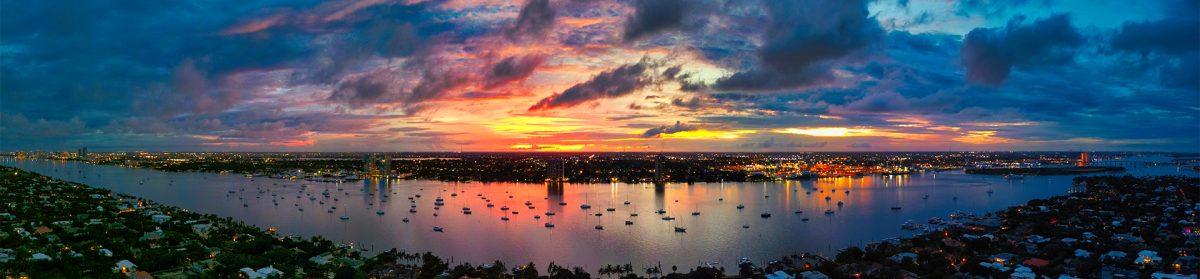
Hurricane Bernie Slams Palm Beach

Sunday afternoon there were supposedly four multi-million dollar condos at Breakers Row already put up for sale by Hurricane Bernie casualties forced to evacuate. Partly true. A real estate broker pal of mine told me on Monday morning there were actually only two on the market, one at $7.6 million and the other at $8.6 million.

By Tuesday morning it was good news for both broker and seller of the Breakers condos. Both were under contract at almost their full asking price. Somewhere, someone has some dough left. What is true is that Hurricane Bernie will have a long term effect on the fabric of Palm Beach life—financially, socially and philanthropically.

via I Survived Hurricane Bernie – The Daily Beast.

The Aggressive Drunk Gene

Alcohol appears to trigger violent behaviour in people who have a particular overactive gene.

The MAOA gene produces an enzyme that breaks down brain chemicals involved with mood.

When alcohol is mixed with high levels of the enzyme it can create a ‘dangerous cocktail’, according to new research.

The finding raises the possibility that people could be screened for the gene and offered treatment, behavioural therapy or be warned to abstain from alcohol

via Faulty gene causes some people to become aggressive drunks – Telegraph.