Carlyle Changes Its Stripes
n the two decades since private equity firms first stormed the business world, they’ve been called a lot of things, from raiders to barbarians. But only one firm has been tagged in the popular imagination with warmongering, treason, and acting as cold-eyed architects of government conspiracies.
 Its ranks were larded with the politically connected, including former Presidents, Cabinet members, even former British Prime Minister John Major. It used its partners’ collective relationships to build a lucrative business buying, transforming, and selling companies–particularly defense companies that did business with governments.
Carlyle might have continued happily in that niche except for the confluence of three events. First there were the terrorist attacks of September 11. In the aftermath, conspiracy theorists seized on Carlyle’s huge profits, intense secrecy, and close dealings with wealthy Saudi investors. The scrutiny reached a crescendo in Michael Moore’s documentary Fahrenheit 9/11, which made Carlyle seem like the sort of company image-conscious investors like public pension funds might choose to avoid. The second factor was the tsunami of capital that has been sloshing around the globe for five years, providing almost limitless funding for the kind of dealmaking that is Carlyle’s specialty. All that liquidity has brought with it immense opportunity as well as stiff new competition. Finally, there’s the succession issue. Carlyle’s baby boomer founders can see retirement around the corner. And they badly want the firm, their legacy, to outlast them. Continue reading “Re-inventing the notorious Carlyle Group”
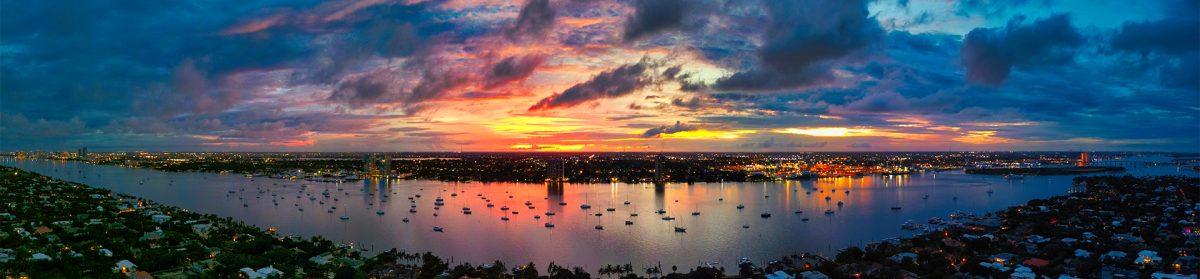
 Sitting in plain view, in ankle-deep turquoise water just 3 miles away from the docks and mobs of tourists at Mallory Square, lies $30 million in treasure.
 World War II veterans invoked Murphy’s Law: “If something can go wrong, it will.” As you’ll see in the brief lexicon I’ve pulled together below, the New Greatest Generation (the generation fighting the war on terror) dubs it “the suck.” (Author and columnist Austin Bay has a PhD in English and Comparative Literature from Columbia University. A colonel (retired) in the U.S. Army Reserve, in 2004 Austin served on active duty in Iraq.)